
I can help you manage inventory using sales and demand forecasting
- 0
- (0)

Project Details
Why Hire Me?
📱Click to Connect on Whatsapp to Discuss Your Project
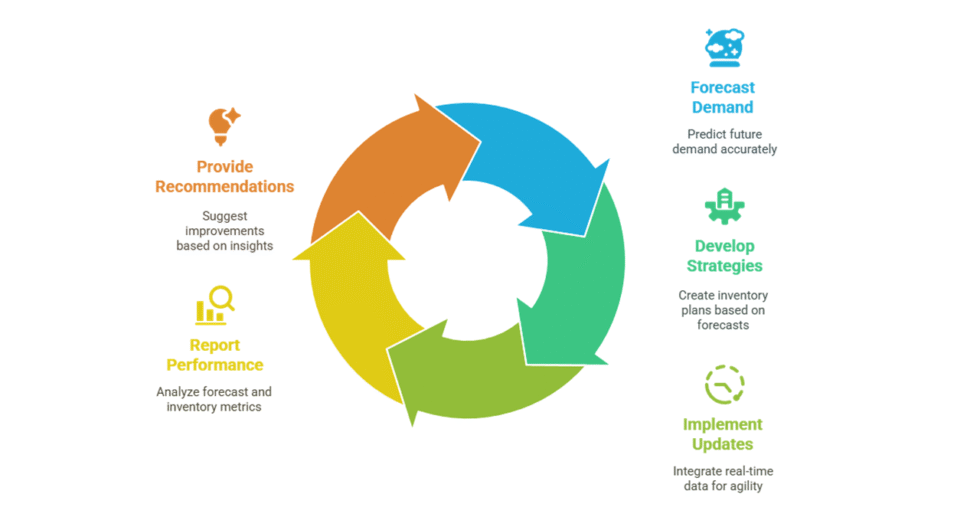
I bring 7+ years of cross-industry experience in data-driven inventory management, with a deep understanding of forecasting methods tailored for e-commerce. My services focus on preventing overstock and stockouts, improving turnover, and aligning inventory with dynamic customer demand.
Why Clients Choose Me:
-
Expertise in sales forecasting, demand prediction, and inventory optimization
-
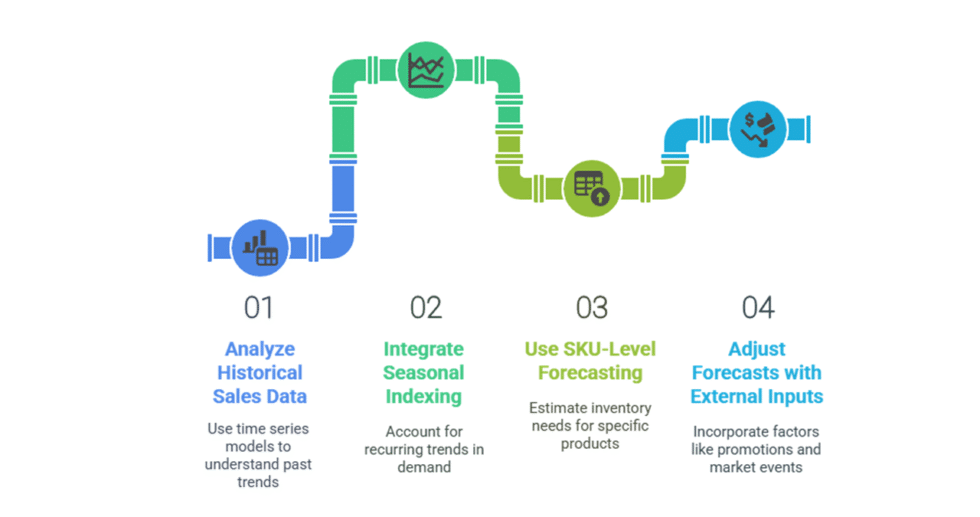
Proficient in analyzing historical sales data, seasonality, and promotions
-
Skilled in applying models like moving average, regression, exponential smoothing, and ML-based forecasts
-
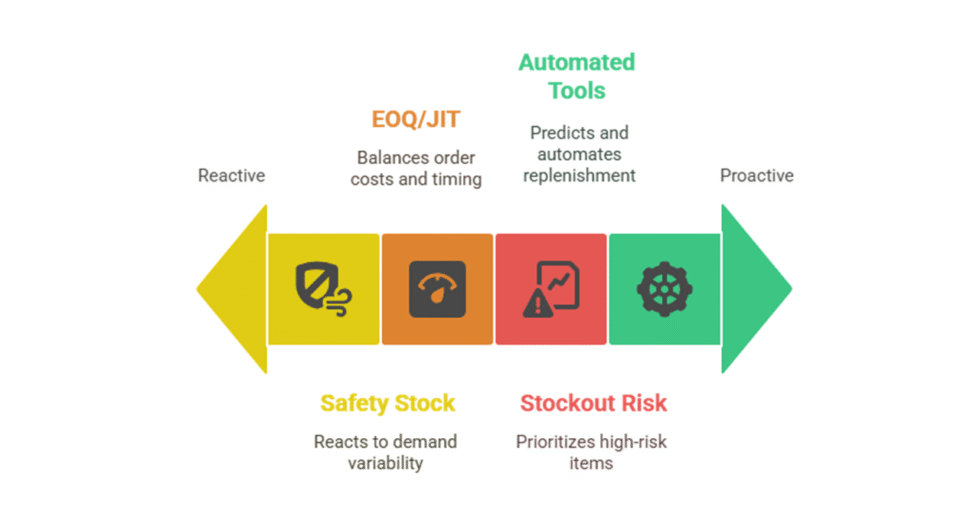
Capable of developing category-specific inventory strategies, including JIT and EOQ models
-
Delivery includes structured reports, charts, and dashboard-ready outputs
-
Experience across product types: FMCG, fashion, electronics, and niche D2C items
What I Need to Start Your Work
Please provide the following to initiate your inventory forecasting and optimization project:
1) Project Scope and Inventory Management Goals
-
Objective of the project (e.g., reduce holding costs, improve fulfillment rates)
-
Product categories or SKUs to focus on
-
Any known inventory issues or goals (e.g., high stockouts, dead stock)
2) Sales and Demand Data Specifications
-
Historical sales data (format, frequency – daily, weekly, monthly)
-
Inventory logs (stock on hand, stockouts, restock dates)
-
Sales trends during campaigns or seasonal periods
-
Any preprocessing already applied to the dataset
3) Forecasting Methodology
-
Preferred forecasting method (if any): time series, regression, ML-based
-
Software/tool to be used: Excel, R, Python, etc.
-
Any relevant business rules (e.g., buffer stock during sales periods)
4) Inventory Strategy Development
-
Strategy expectations: JIT, EOQ, safety stock levels
-
Input on vendor lead times, MOQ, reorder frequency
-
Approach to handle irregular demand or supply chain disruptions
5) Reporting and Analysis Requirements
-
Format of reports: Excel sheets, PowerPoint decks, PDFs
-
Charts and dashboards: stock projection graphs, reorder schedules
-
Level of detail expected (executive summary vs technical model description)
6) Data Privacy and Ethical Considerations
-
Any NDA or legal requirements
-
Compliance with internal data governance or external regulations
7) Project Timeline and Milestones
-
Final delivery date
-
Review points or intermediate deliveries (e.g., model validation)
-
Urgency or time-sensitive targets (e.g., festive season planning)
8) Communication and Collaboration
-
Preferred channels (Zoom, WhatsApp, Email)
-
Review meeting frequency
-
File sharing protocols (Google Drive, Dropbox, etc.)
9) Additional Requirements or Preferences
-
Any competitive benchmarks to match
-
Past reports, templates, or examples (if any)
-
Other special instructions relevant to your e-commerce vertical
Portfolio

Seasonal Sales Forecasting for Apparel Inventory Optimization
Learn how an online fashion store used time series forecasting and EOQ models to reduce stockouts and overstock. A case study in inventory optimization using Python and Excel for seasonal apparel management.
Machine Learning Forecasting for Grocery Inventory Optimization
See how a grocery chain used Random Forest and XGBoost to improve sales forecasting and reduce waste. A case study in machine learning–driven inventory management for perishables and fast-moving SKUs.
Festive Demand Forecasting for Home Appliance Retail
Discover how a home appliance retailer used ARIMAX and regression models to forecast festive demand and reduce stockouts. A data-driven case study in inventory planning for seasonal sales campaigns.
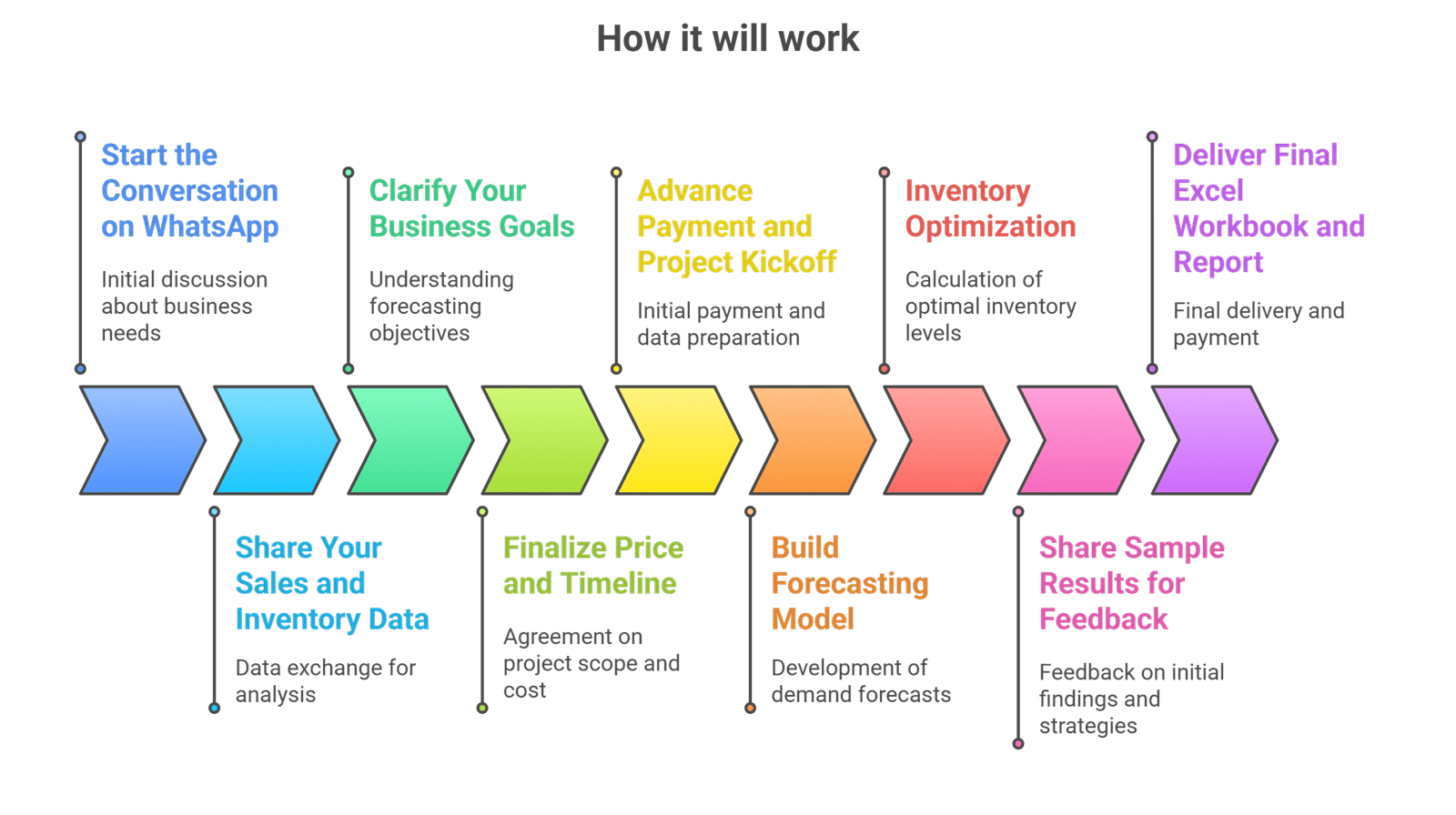
Process
Stock Tracker
Starts at $55
Simple demand-based stock planning
-
 3
Days Delivery
3
Days Delivery
-
 1
Revision
1
Revision
Forecast Optimizer
Starts at $95
Data-driven stock optimization
-
5
Days Delivery
-
3
Revisions
Inventory Pro
Starts at $120
Full strategy with reporting tools
-
7
Days Delivery
-
Unlimited
Revisions


